In the ever-evolving landscape of music production, audio interfaces have emerged as essential tools for both amateur and professional musicians alike. As the demand for high-quality sound recording and production continues to rise, understanding the role of audio interfaces becomes crucial for anyone looking to create music that stands out. This article delves into the significance of audio interfaces, backed by recent market statistics and purchasing behavior trends, to provide a comprehensive overview of why they matter in music production.
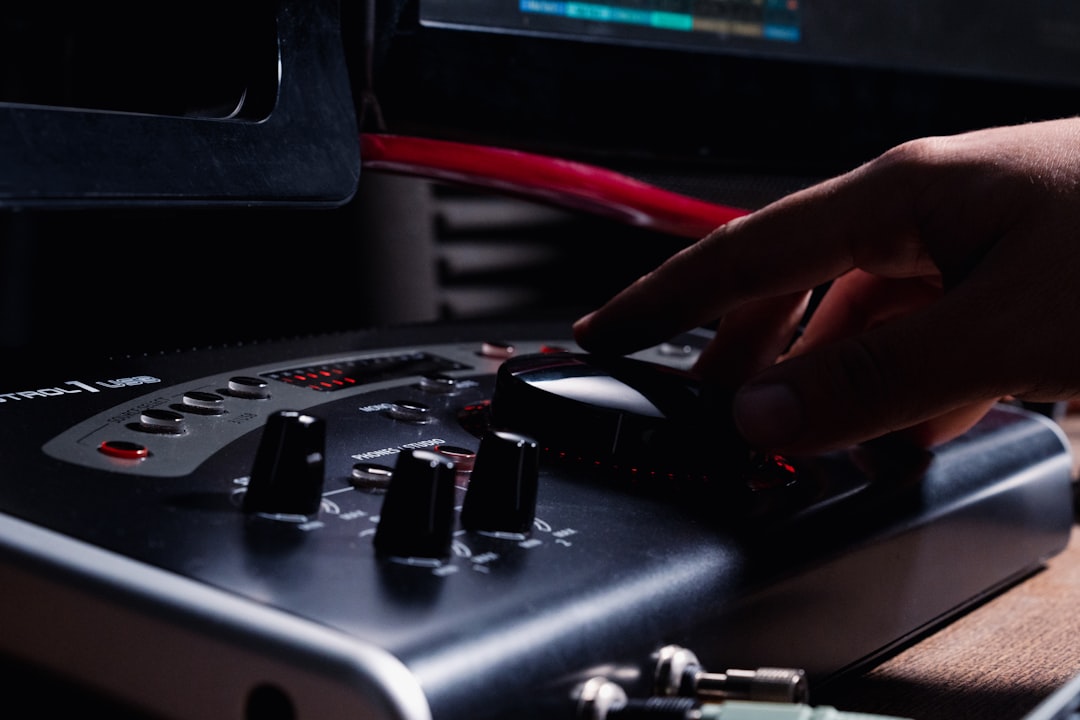
Audio interfaces serve as the bridge between your musical instruments and your computer, converting analog signals into digital data that can be processed by music production software. This conversion is vital for achieving high fidelity in recordings, which is why the choice of an audio interface can significantly impact the overall quality of your music. According to a report by Grand View Research, the global audio interface market was valued at approximately $1.2 billion in 2021 and is projected to grow at a compound annual growth rate (CAGR) of 6.7% from 2022 to 2030. This growth reflects the increasing number of home studios and the rising popularity of digital music production.
Key Insight: The expanding market for audio interfaces indicates a growing recognition of their importance in achieving professional sound quality, particularly among independent artists and producers.
One of the primary reasons audio interfaces matter is their ability to provide superior sound quality compared to standard computer sound cards. Most built-in sound cards are not designed for music production and can introduce latency and noise into recordings. In contrast, dedicated audio interfaces are engineered specifically for this purpose, offering higher sample rates and bit depths, which translate to clearer and more detailed sound. For instance, many modern audio interfaces support sample rates of up to 192 kHz and bit depths of 24 bits, allowing for a more accurate representation of the audio being recorded.
Moreover, audio interfaces often come equipped with high-quality preamps, which amplify the signal from microphones and instruments before it reaches the computer. This is particularly important for vocal recordings, where clarity and warmth are essential. A good preamp can make a significant difference in the final sound, and investing in an audio interface with quality preamps can elevate your recordings to a professional level.
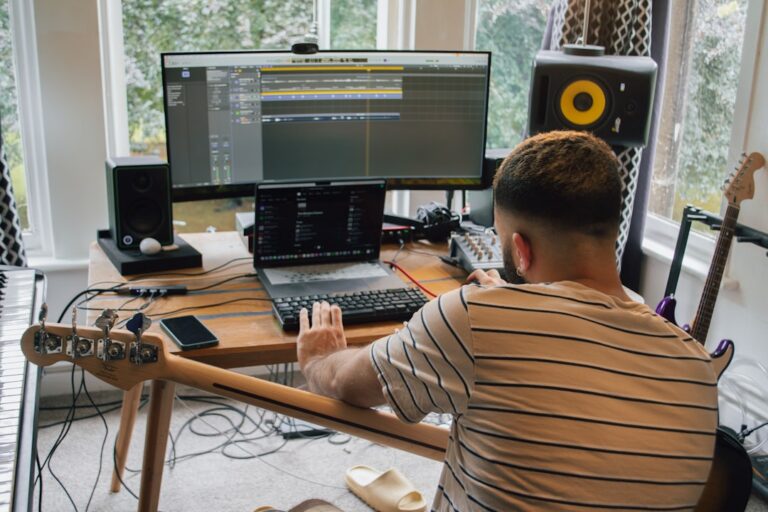
The purchasing behavior of musicians has also shifted in recent years, with more individuals opting for home studio setups. The COVID-19 pandemic accelerated this trend, as many artists sought to continue creating music while live performances were on hold. A survey conducted by the International Music Summit revealed that 67% of DJs and producers reported investing in new equipment during the pandemic, with audio interfaces being among the top purchases. This shift has led to a surge in demand for user-friendly, affordable audio interfaces that cater to both beginners and experienced producers.
When selecting an audio interface, it’s essential to consider factors such as connectivity options, number of inputs and outputs, and compatibility with your existing gear. USB interfaces are the most common, offering a straightforward plug-and-play experience, while Thunderbolt interfaces provide faster data transfer speeds for those working with larger projects. Additionally, some interfaces come with built-in DSP (Digital Signal Processing) capabilities, allowing for real-time effects processing without taxing your computer’s CPU.
Another aspect to consider is the software that often accompanies audio interfaces. Many manufacturers bundle their products with digital audio workstations (DAWs) or plugins, providing users with a complete package to start producing music right out of the box. This added value can be a significant factor in the purchasing decision, especially for those new to music production.
In conclusion, audio interfaces play a pivotal role in the music production process, offering musicians the tools they need to achieve high-quality recordings. As the market continues to grow, understanding the features and benefits of audio interfaces becomes increasingly important for anyone looking to enhance their music production capabilities. By investing in a reliable audio interface, musicians can ensure that their creative vision is accurately captured and translated into polished final products.